

Hohle Fels
The Aurignacian Culture
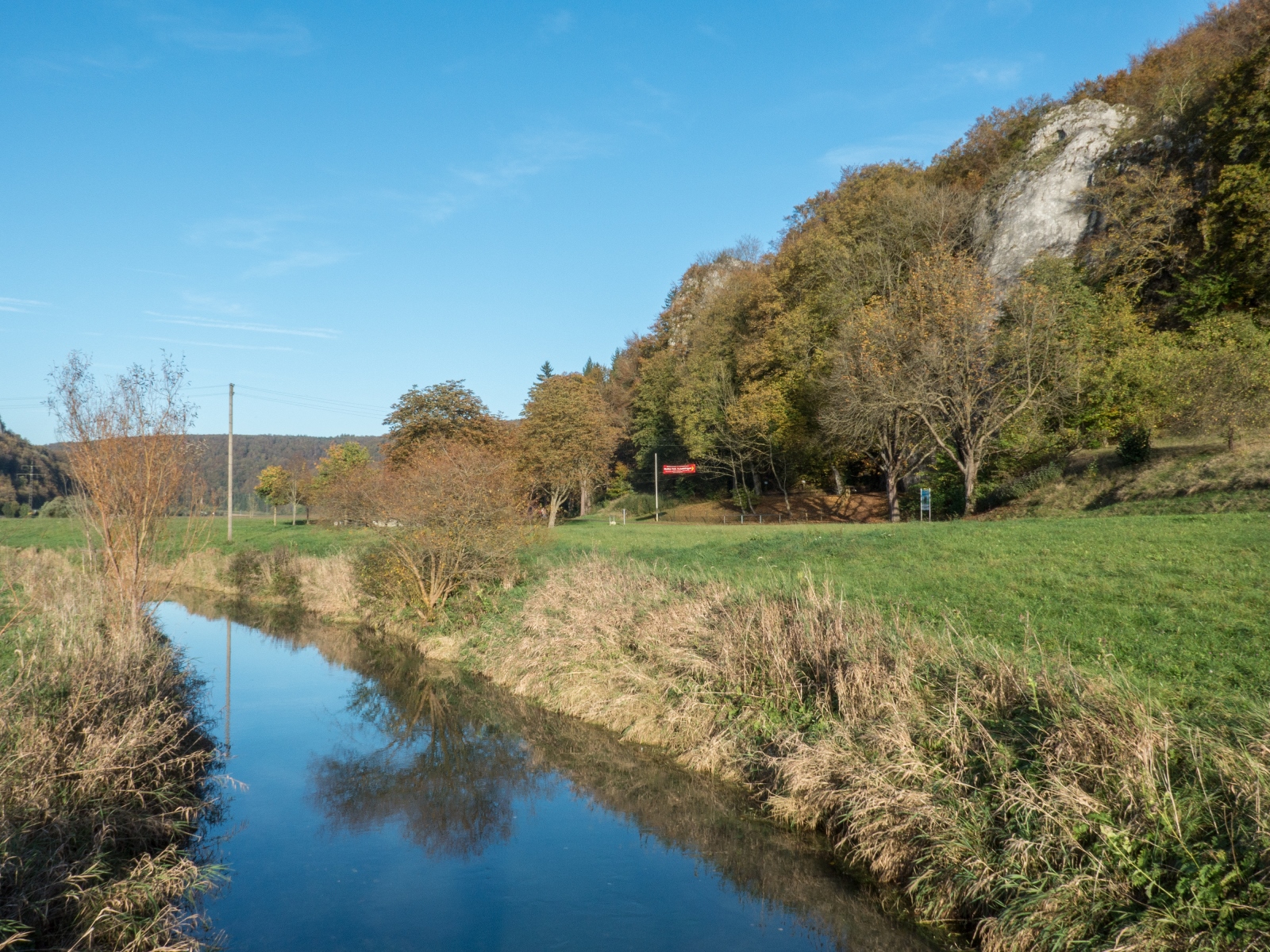
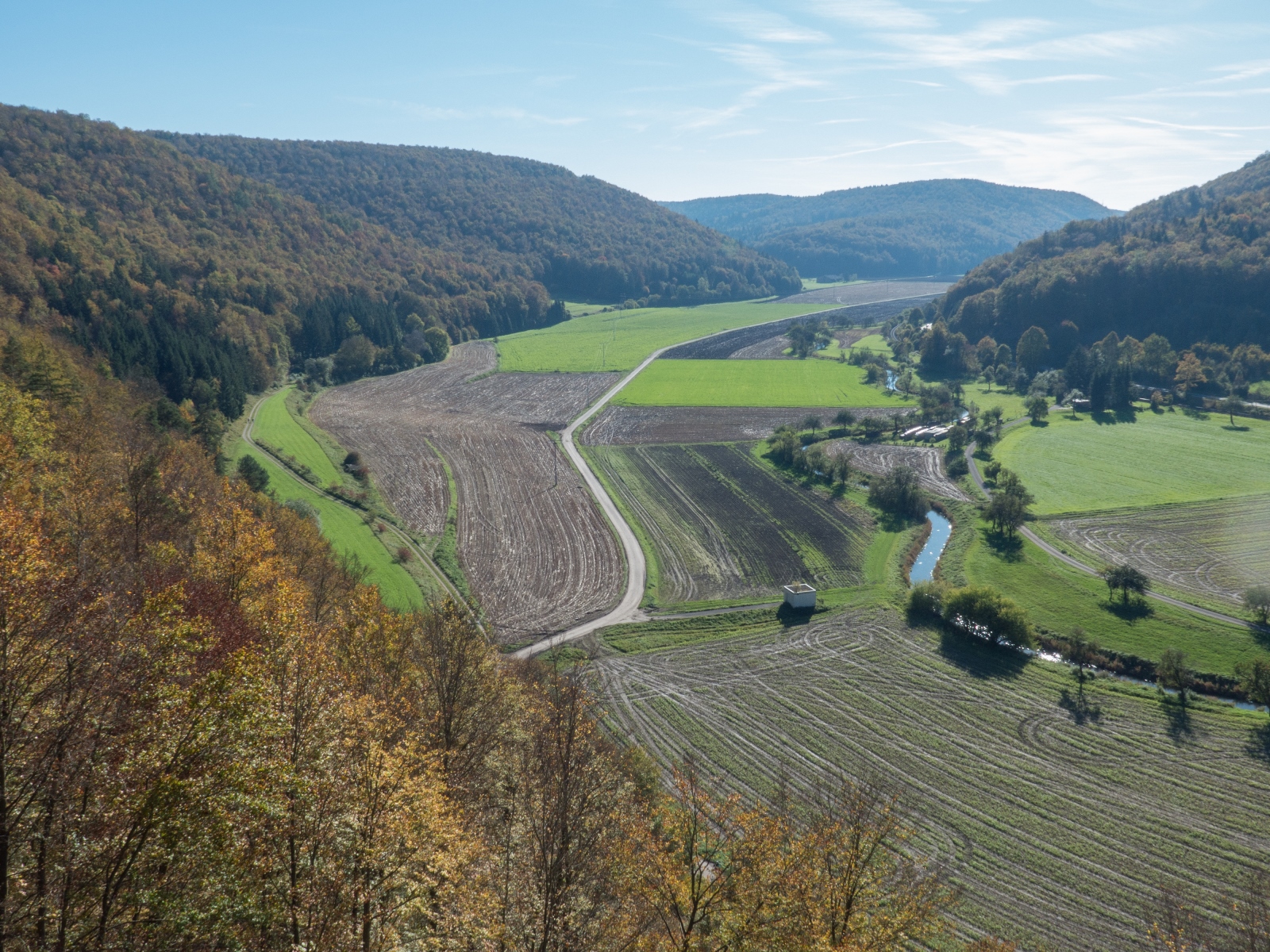
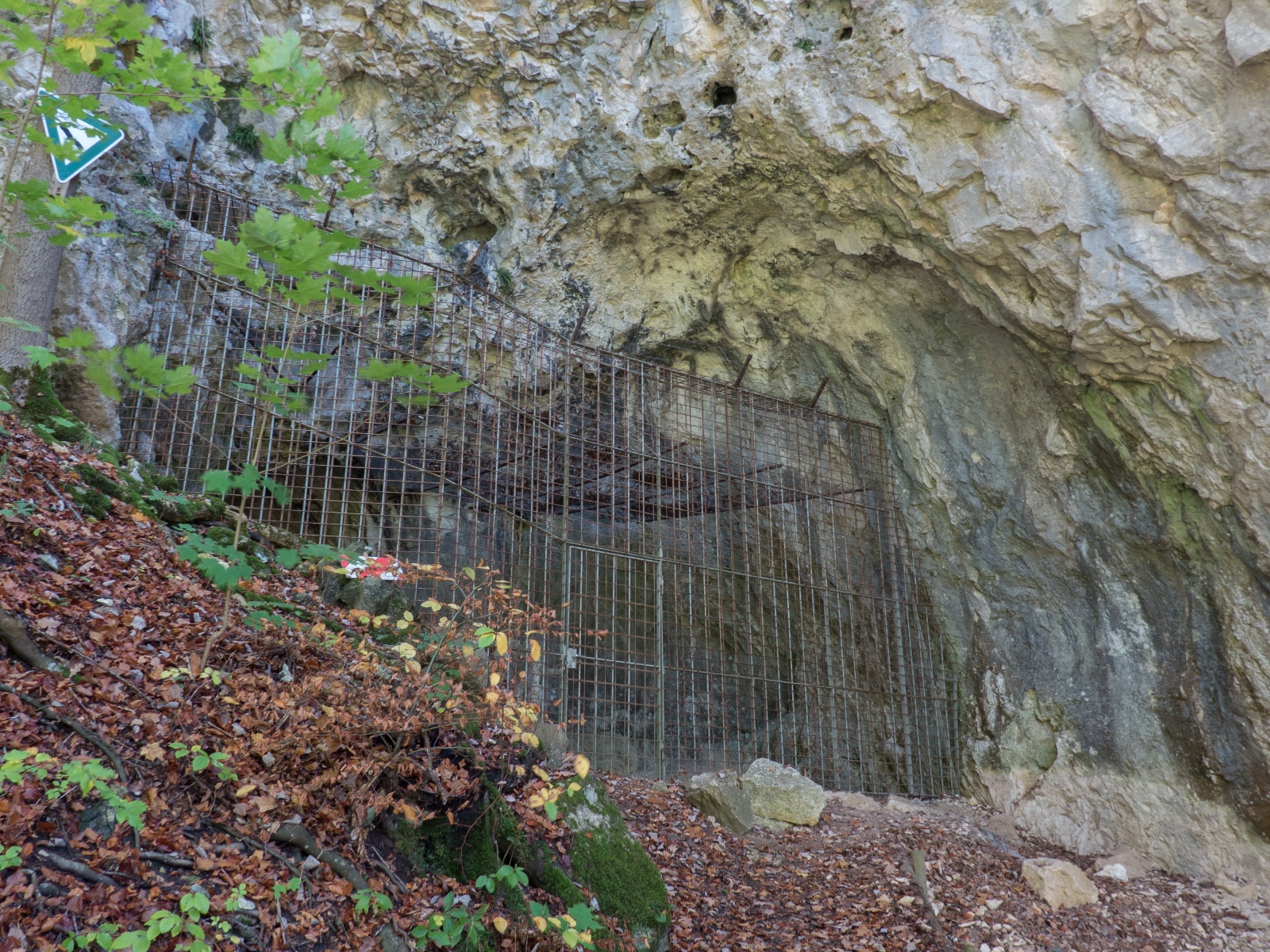
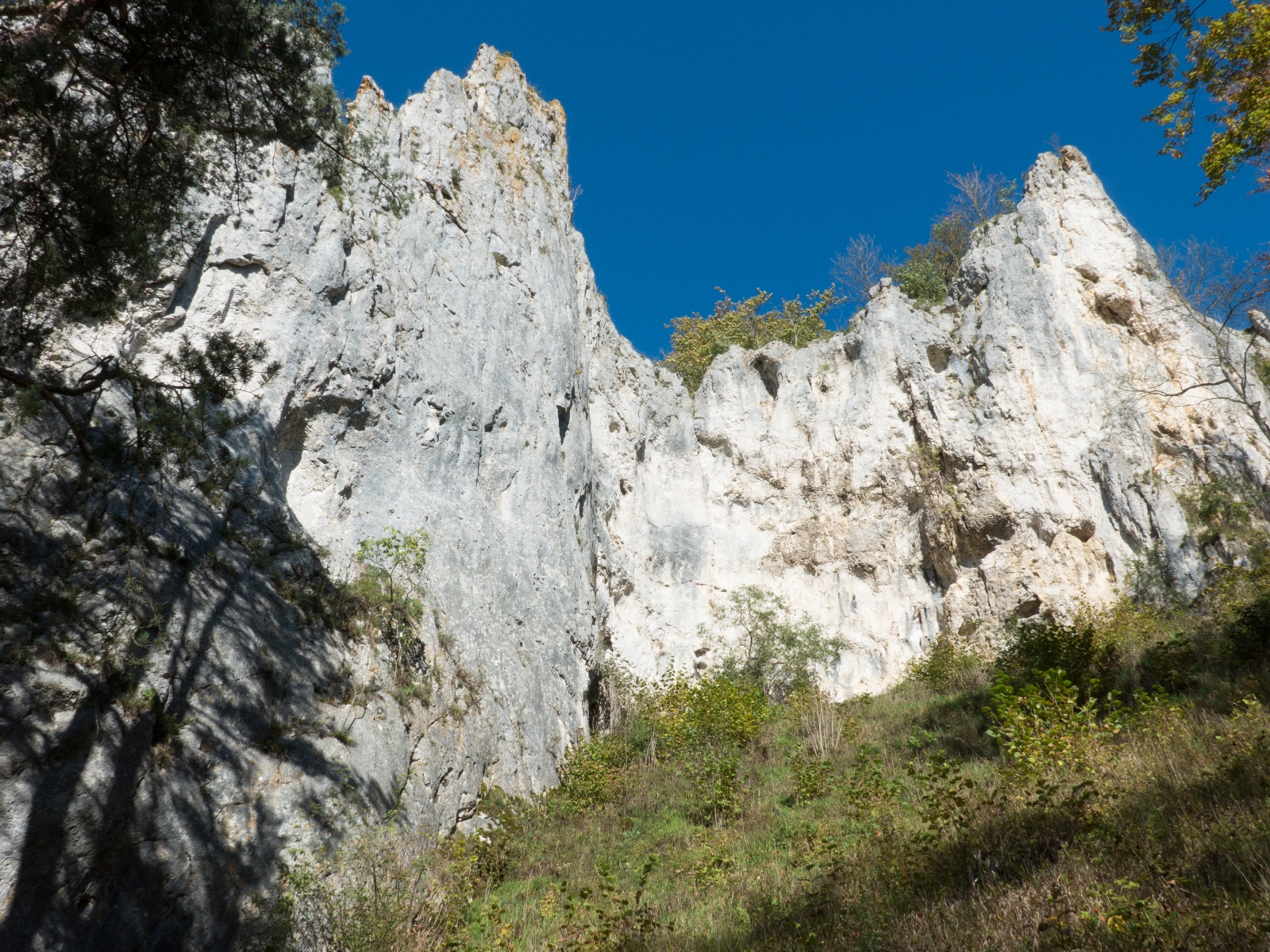
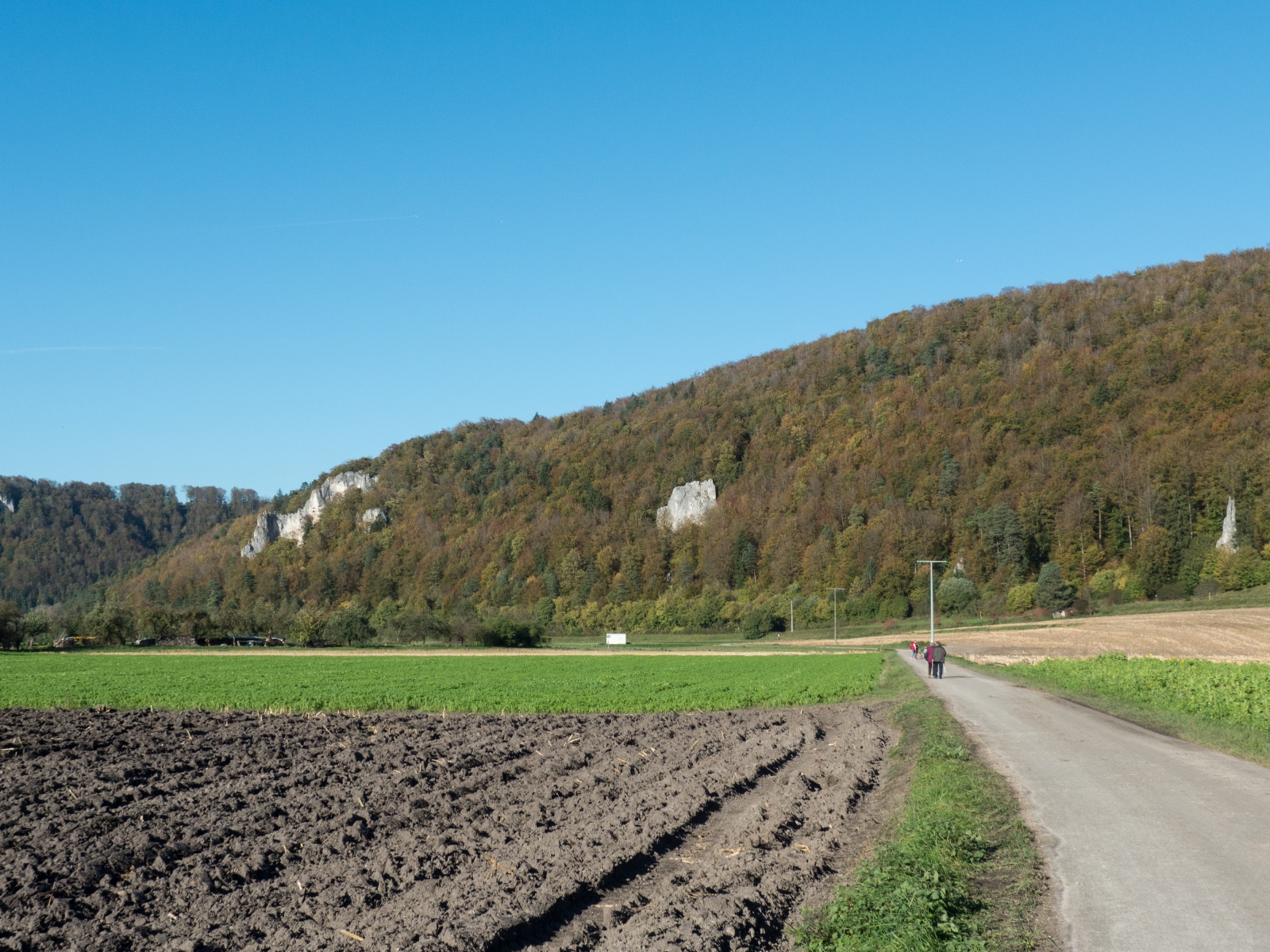
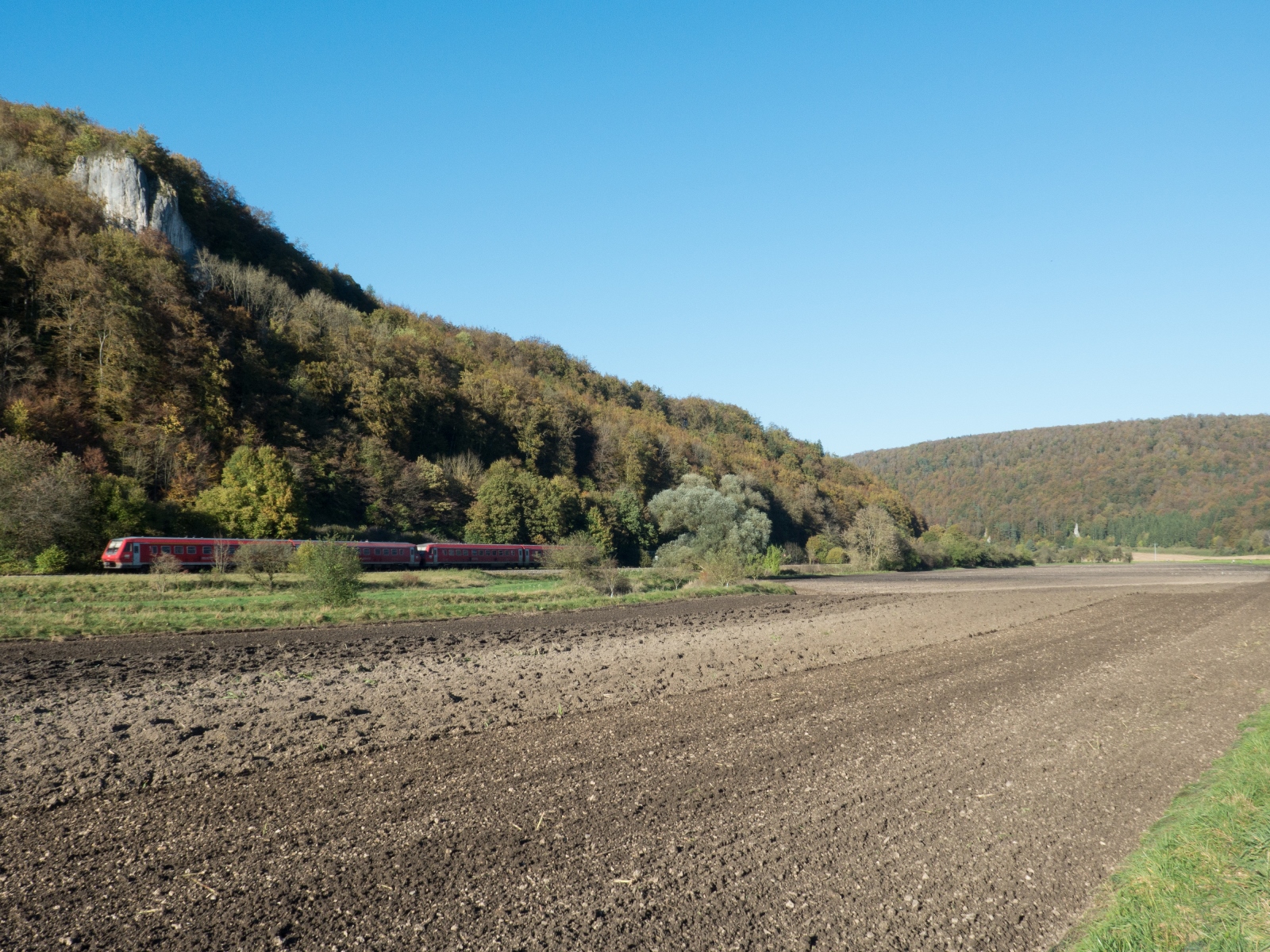
The Venus of Hohle Fels is the oldest of all Venuses. It was discovered in the cave of Hohle Fels. The cave is inside a limestone rock outcrop, and is located in Achtal, a wide valley of the small river Ach, a tributary of the Blau River (which is a tributary of the Danube), in Baden-Württemberg, southern Germany.
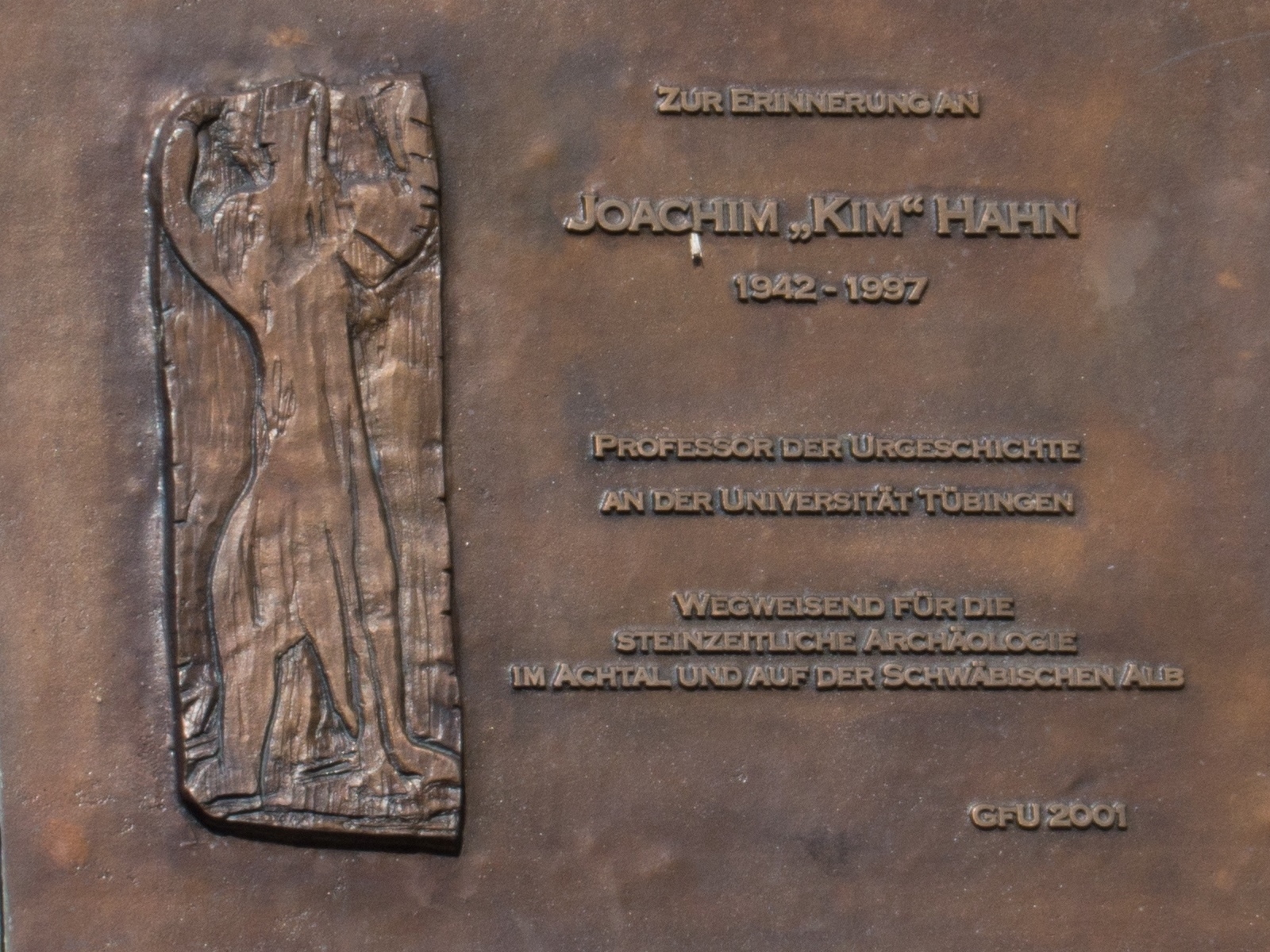
In the same valley, about 3 km from the Hohle Fels, there is another important archaeological site, the Cave of Geissenklösterle, where a Palaeolithic-Aurignacian small bas-relief of a human (of unidentified sex) with raised arms (dubbed worshipper) and figurines of various animals were found.
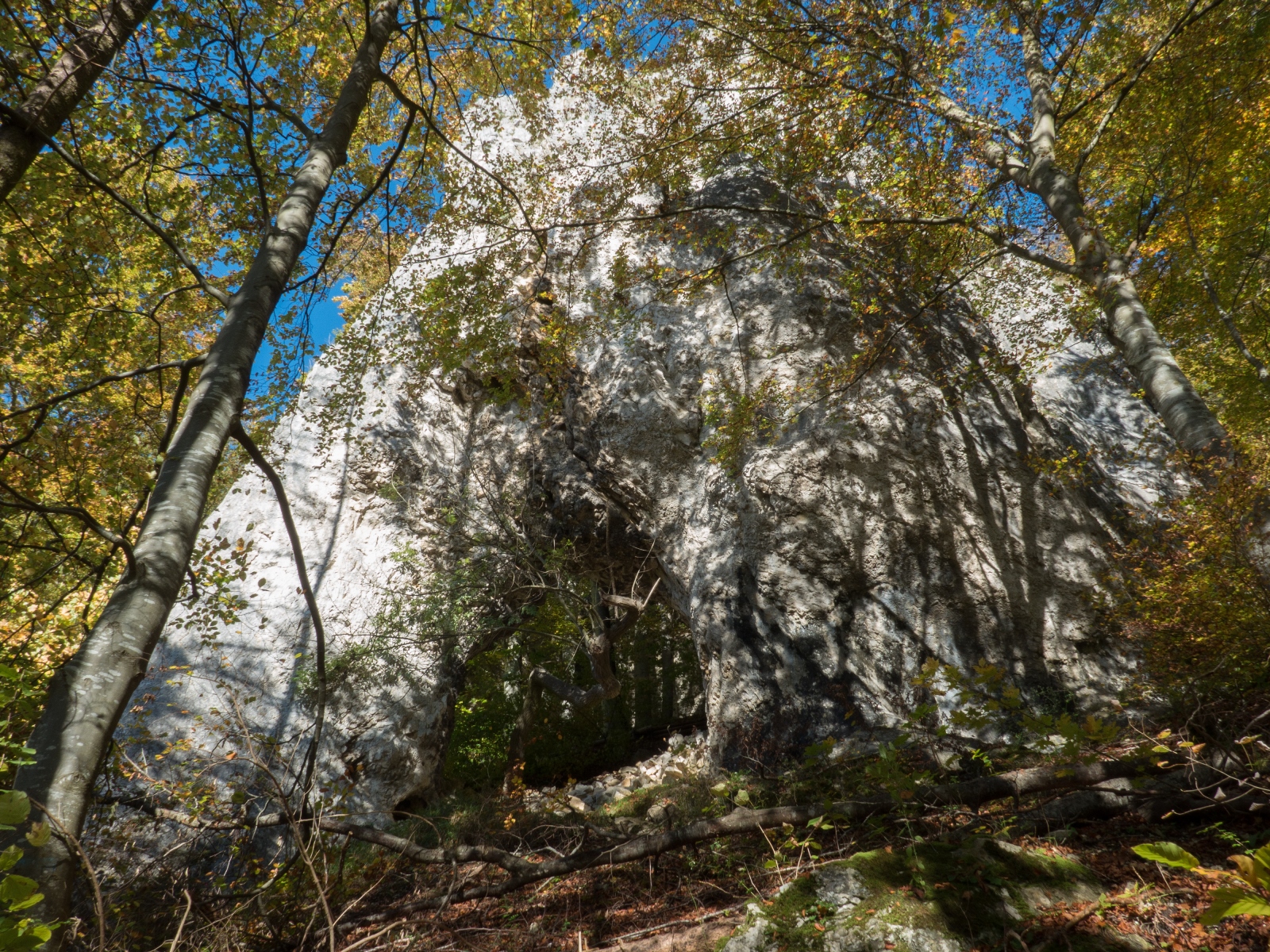
The valley is dotted with limestone rock formations, and can be considered as a typical sacred landscape.
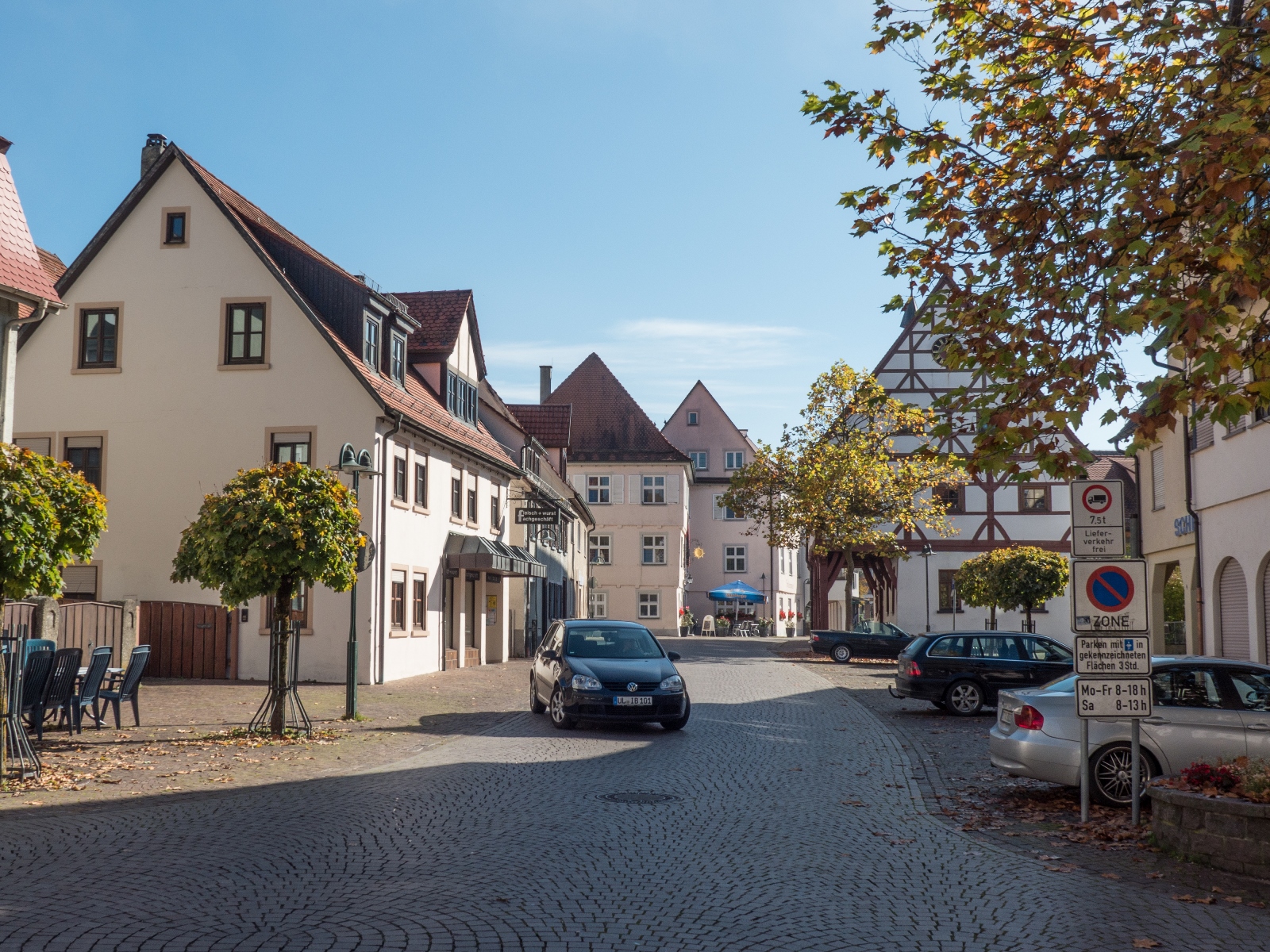
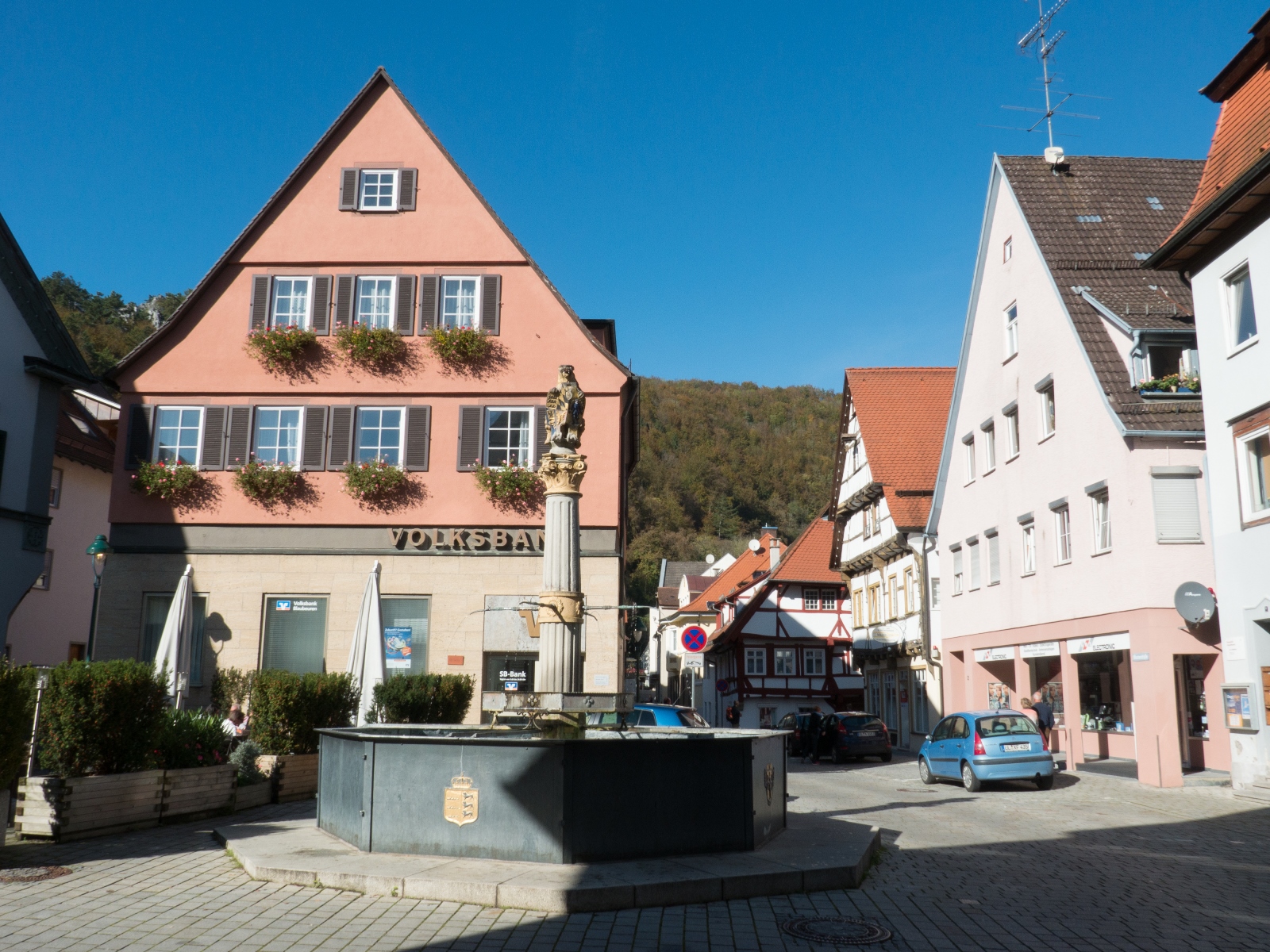
The Hohle Fels cave is located between the towns of Schelklingen (some 1.5 km) and Blaubeuren (about 5 km), and approximately 17 km west of Ulm.
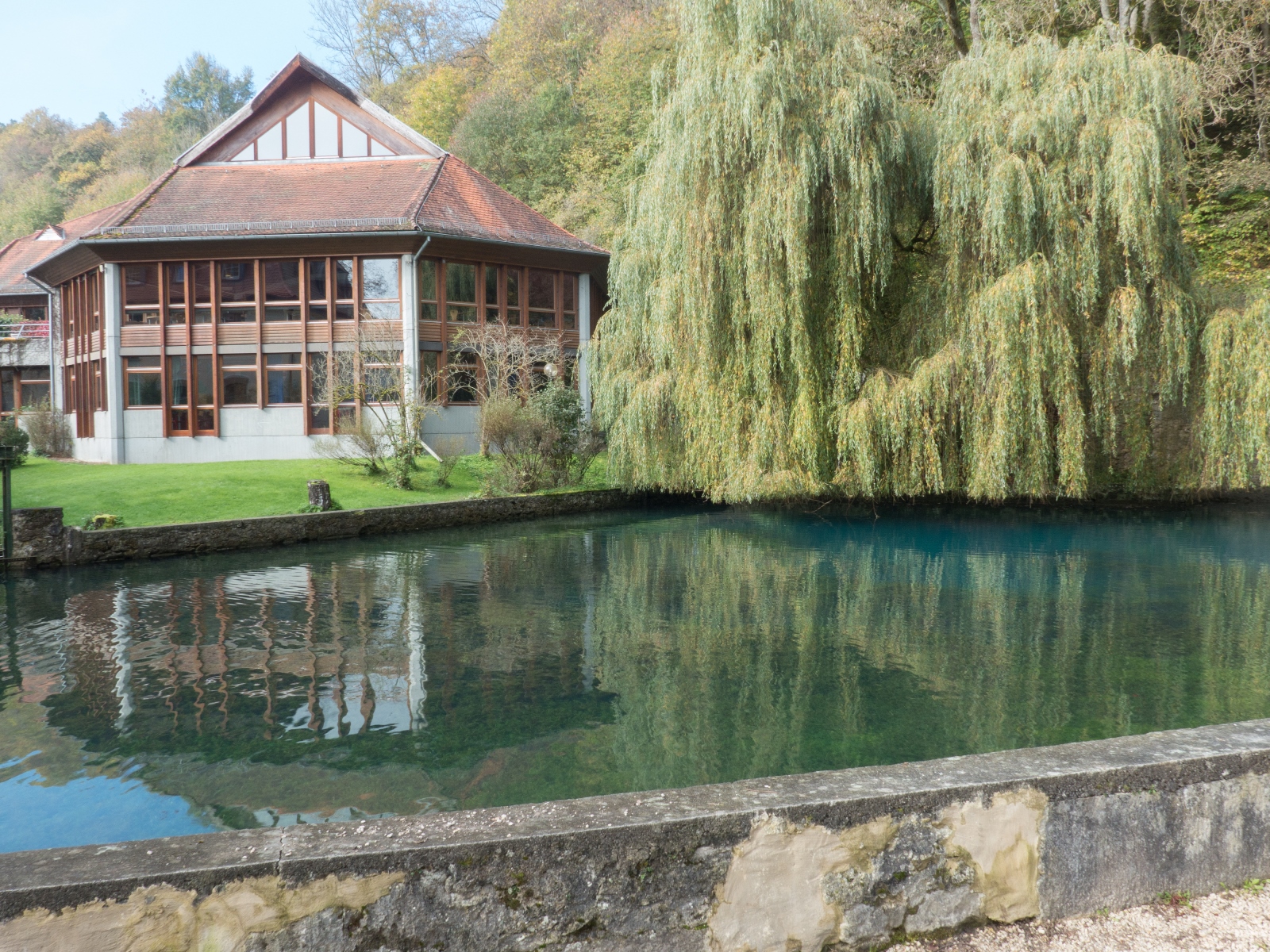
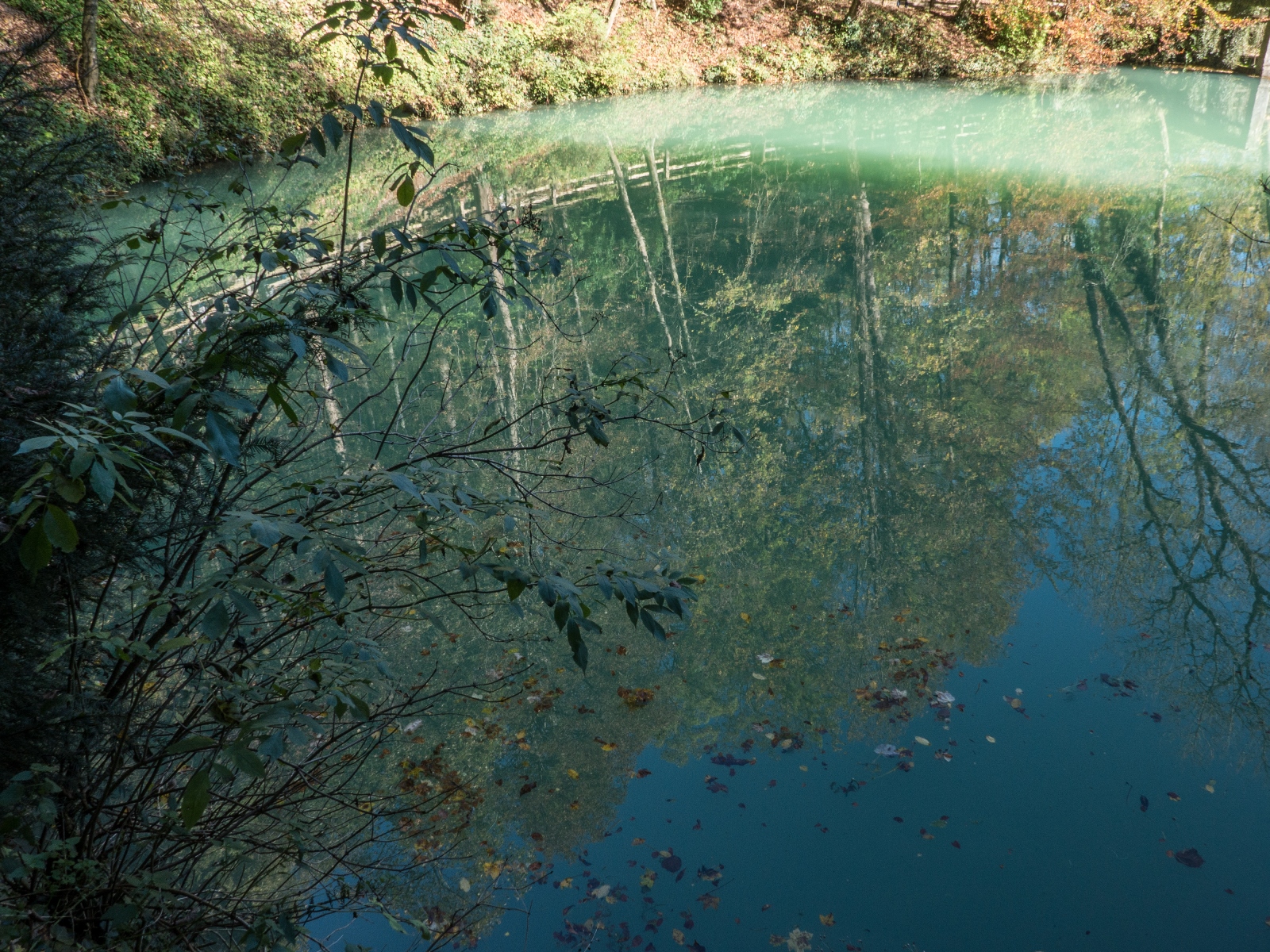
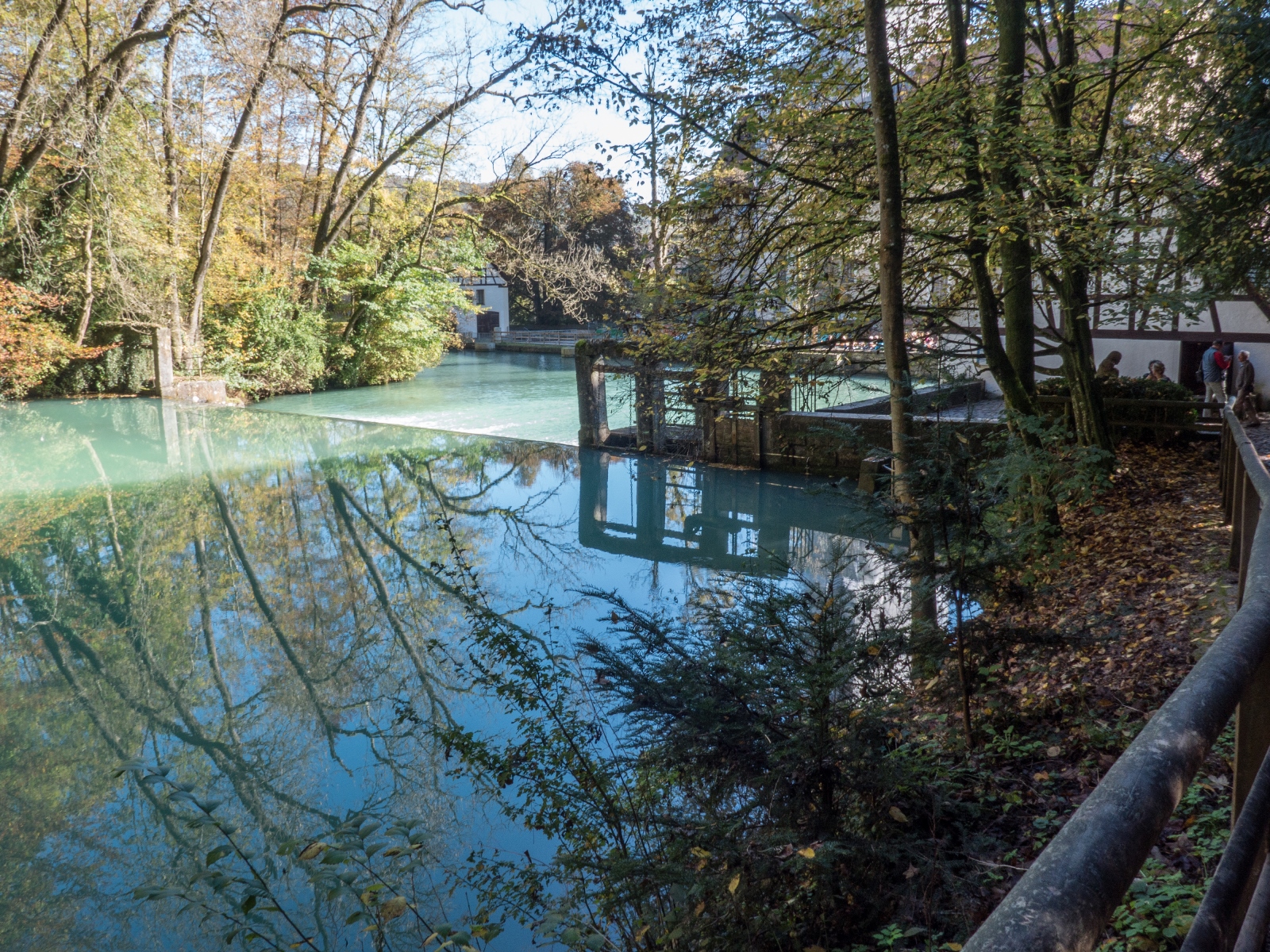
Like Willendorf, Ulm lies on the Danube River. It is the birthplace of the famous scientist Albert Einstein. In Blaubeuren, there is a resurgence of the Ach River (Urspring) near Schelklingen, and a large resurgence of the Blau River (Blautopf). The area is part of the UNESCO’s biosphere reserve Swabian Jura (Schwäbische Alb).
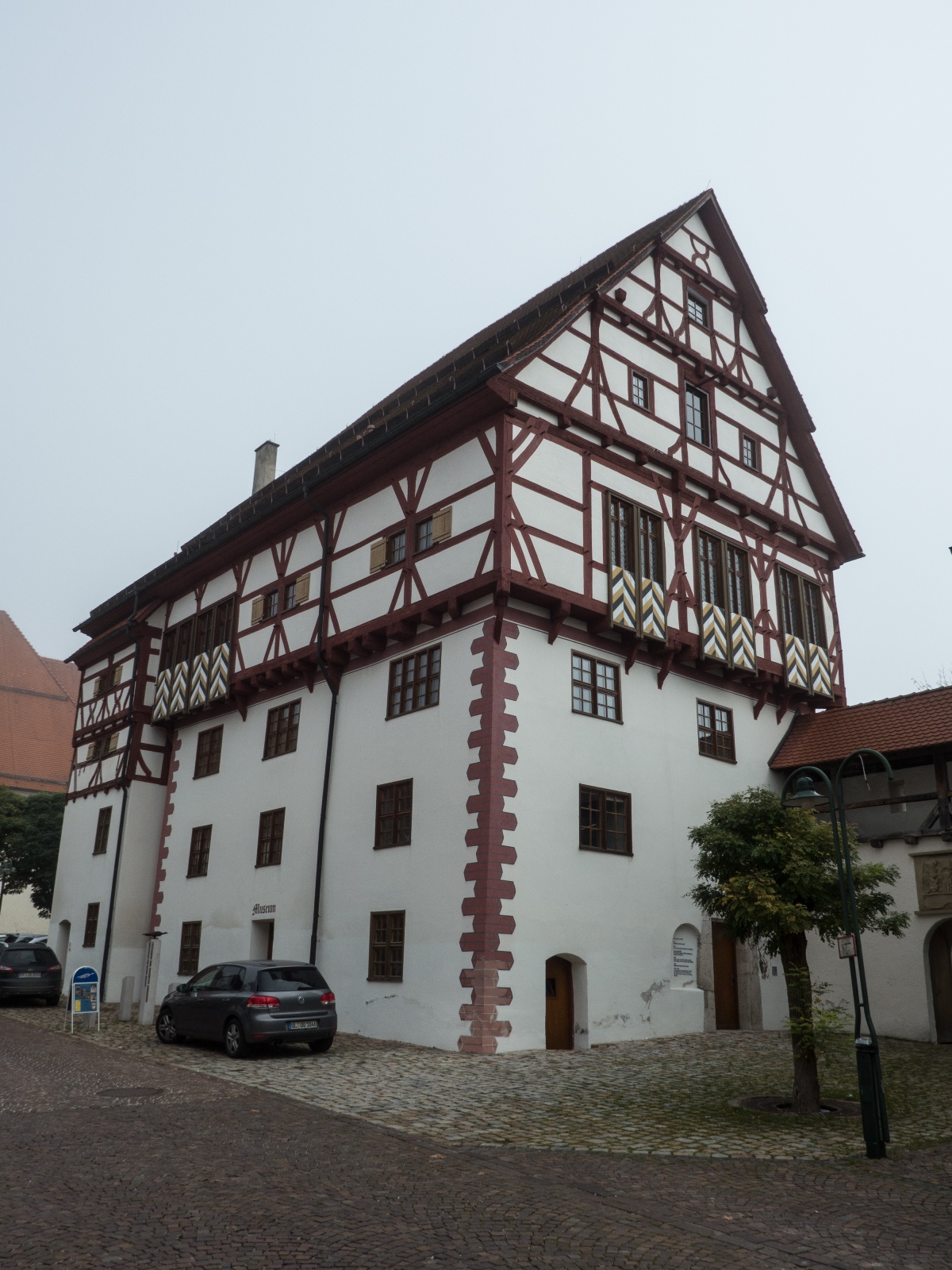
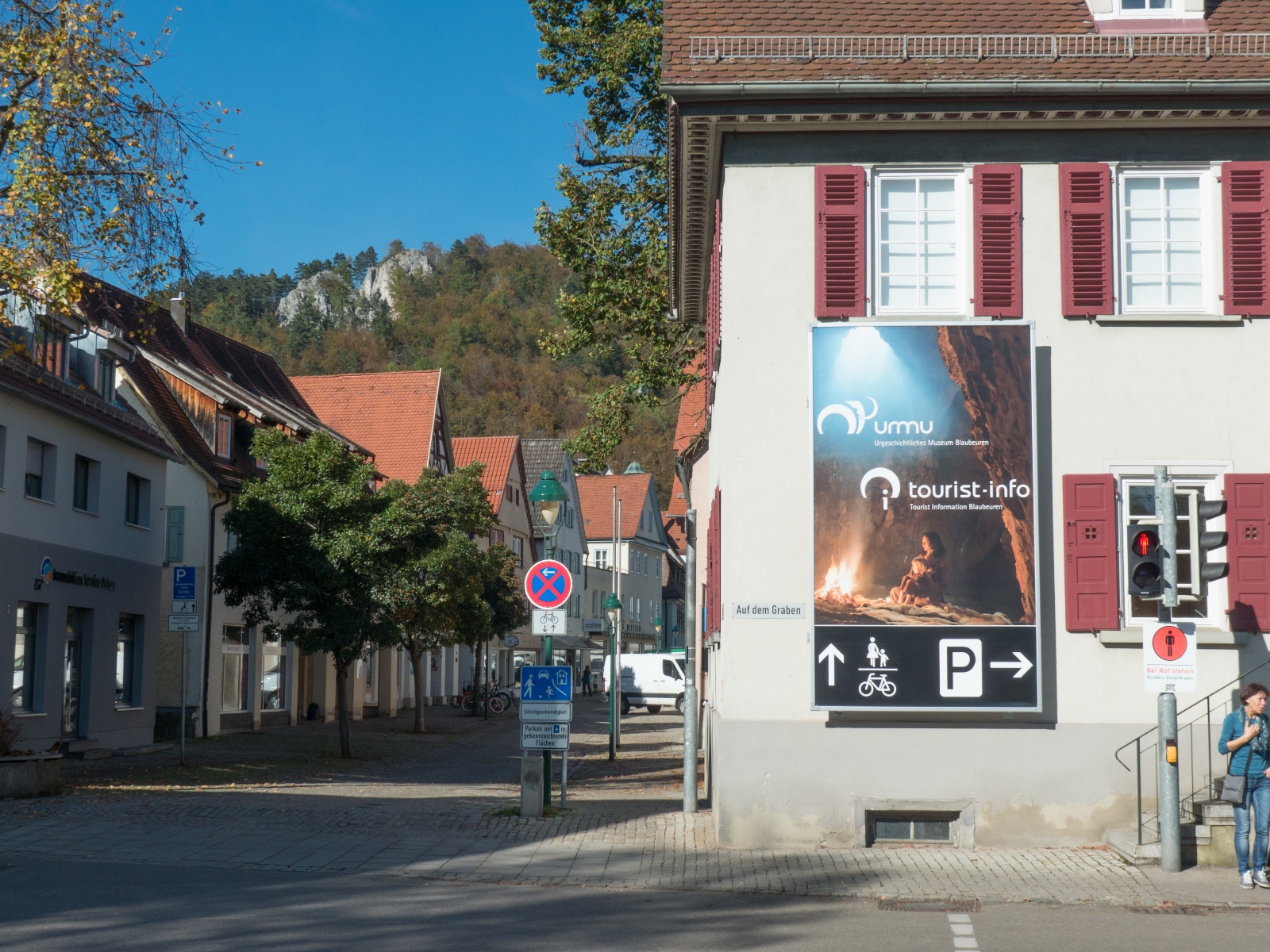
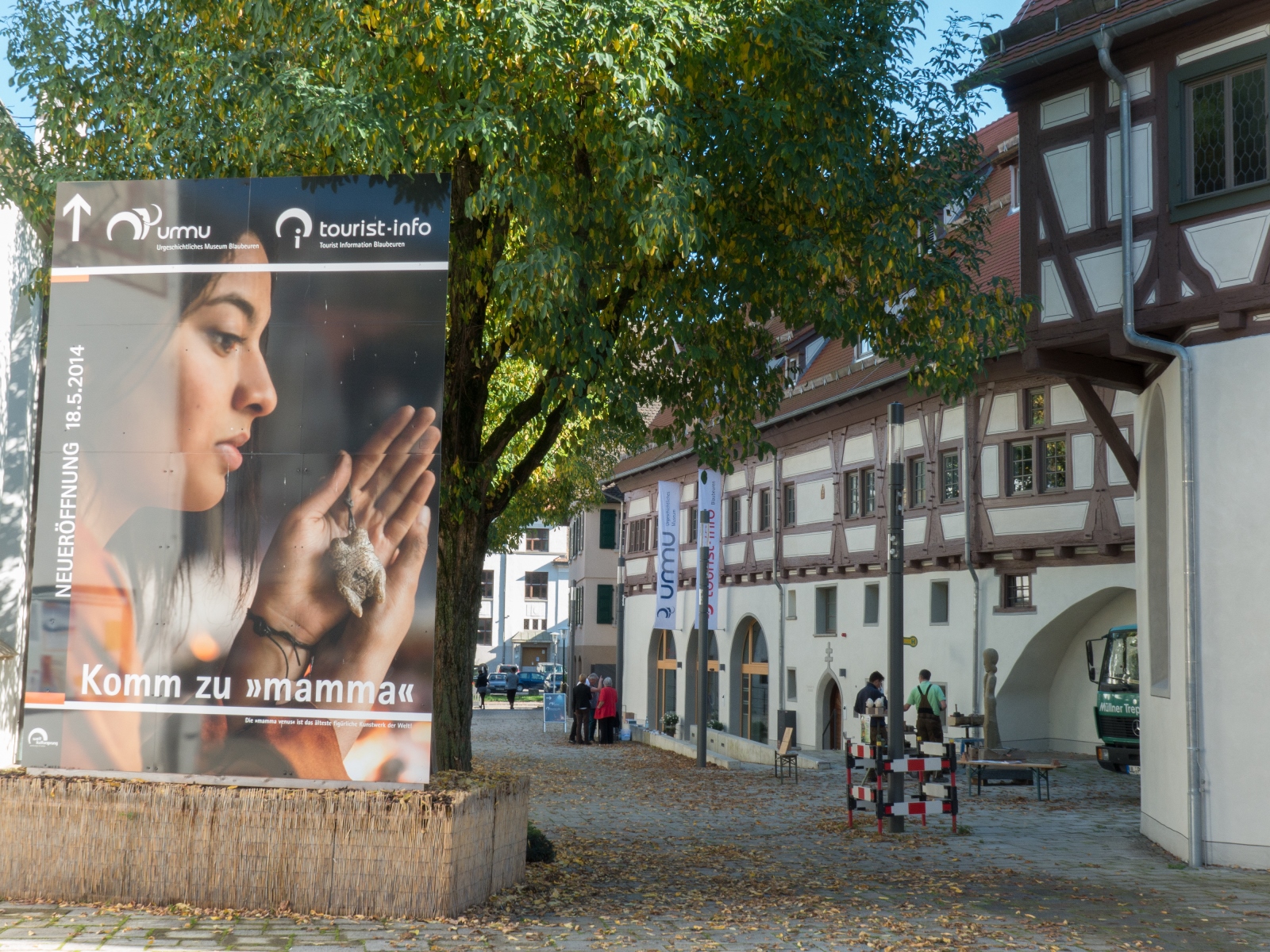
There is a small museum in Schelklingen, where information about prehistory makes up only a small part of the exposition. (For webpages of the Museum in Schelklingen /in German/ see here.) In Blaubeuren, there is an excellent Museum of Prehistory (Urgeschichtliches Museum, URMU), where the original of the Venus of Hohle Fels is exhibited. Besides the Venus, there are many other exhibits, such as a flute - the oldest known musical instrument. (For webpages of the URMU /in German, a brochure for download in English/ see here.)






| Material | Mammoth ivory |
| Height | 59.7 mm |
| Width | 34.6 mm |
| Thickness | 31.3 mm |
| Weihgt | 33.3 g |
| Age | 35-40,000 years |
| Discovered | 2008 (just 100 years after the discovery of the Venus of Willendorf) |
| Exhibited | Urgeschichtliches Museum, Blaubeuren |